Kimeblog // By Tony Mikla

What a Reasoned Rehab Partner Actually Does With Your Referral

August 15, 2026
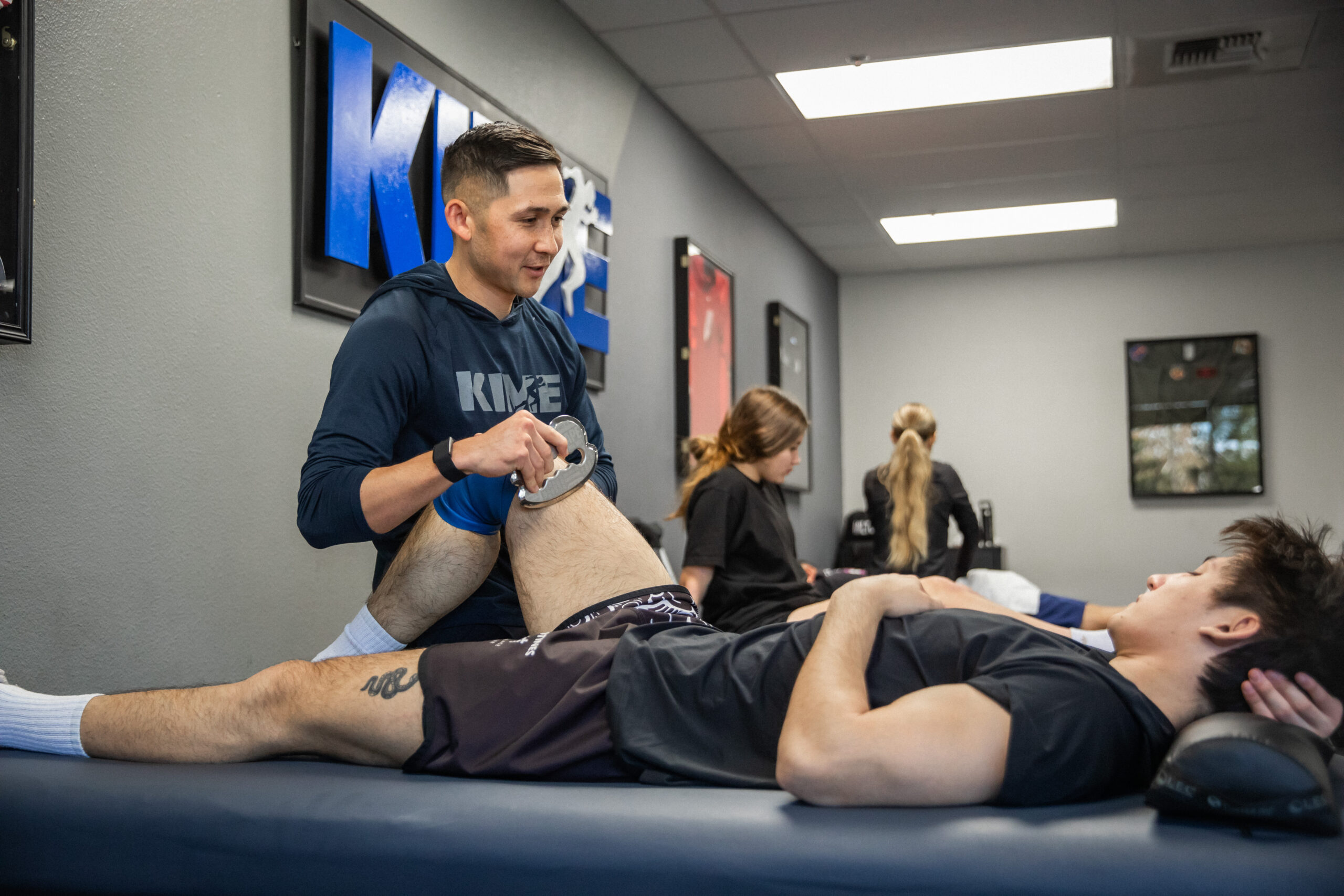
What a Reasoned Rehab Partner Actually Does With Your Referral


When you refer a patient for rehabilitation, you are trusting someone else with the part of recovery you can’t personally supervise. The quality of that hand-off varies enormously — not because of credentials, but because of how the receiving clinician thinks. Here is what a reasoned rehab partner does differently, and why it protects your patient and your outcomes.


They get control of the inputs


A good partner starts by mapping the whole picture: who else is involved, what the imaging shows, where the patient sits in the healing cycle, and what the actual goal is. Patients often arrive carrying conflicting advice — one voice says go, another says stop — and lose the thread. The job is to organize those inputs into a single coherent plan the patient understands, so they stop bouncing between contradictory instructions and start moving in one direction.


They give you a timeline with a rationale, not a guess


Instead of a single confident date, a reasoned partner offers a working range up front and then refines it. A simple weekly read — progressing, holding, or resting — turns a vague prognosis into a specific one as the data comes in. That means when you ask “when will this patient be ready,” you get an answer with a reason attached, and you can plan accordingly.


They want the detail your report contains


The difference between “meniscus tear” and the specific character of that tear changes how a patient should be loaded — and how patient the clinician has to be. A partner who understands tissue structure will actively seek that level of detail from you, because it changes the plan. That two-way communication is not a courtesy; it’s what lets the rehab match the surgery instead of working against it.


They respect the boundaries of their role


The strongest partners don’t try to annex everyone else’s territory. They get very good at the one thing they are uniquely trained for — translating between what a tissue can structurally tolerate and how a person needs to function — and they communicate clearly with everyone else involved in the case. You get a collaborator who makes the whole team’s work more effective, not a competitor.


These ideas are explored further on KIMEcast.

Skip to content