Stop Chasing “Anti-Aging.” Build the Kind of Strong That Lasts.
There’s an entire industry built on the promise of living longer — supplements, gadgets, programs, each with a longevity label slapped on the front. Most of it is noise. The honest version is less exciting and far more useful: a small number of things make the biggest difference, they’re all things you can measure and improve, and none of them come in a bottle.
The goal worth aiming for isn’t just more years. It’s more good years — staying active, capable, and doing the things you love into your 60s, 70s, and beyond. That’s the difference between lifespan and healthspan, and healthspan is the one you can actually build.
Three things that actually matter
When you cut through everything, three things do most of the work: lowering the fat you can’t see, building muscle and strength, and improving your cardiovascular fitness.
That first one surprises people. The fat that matters most isn’t the kind you can pinch — it’s the fat that builds up inside, around your organs. You can’t spot it on a bathroom scale, which is why a quick body-composition scan can be more honest than the number you step on every morning. Bring that internal fat down and a remarkable amount of your health improves with it.
Muscle is the retirement account you can’t inherit
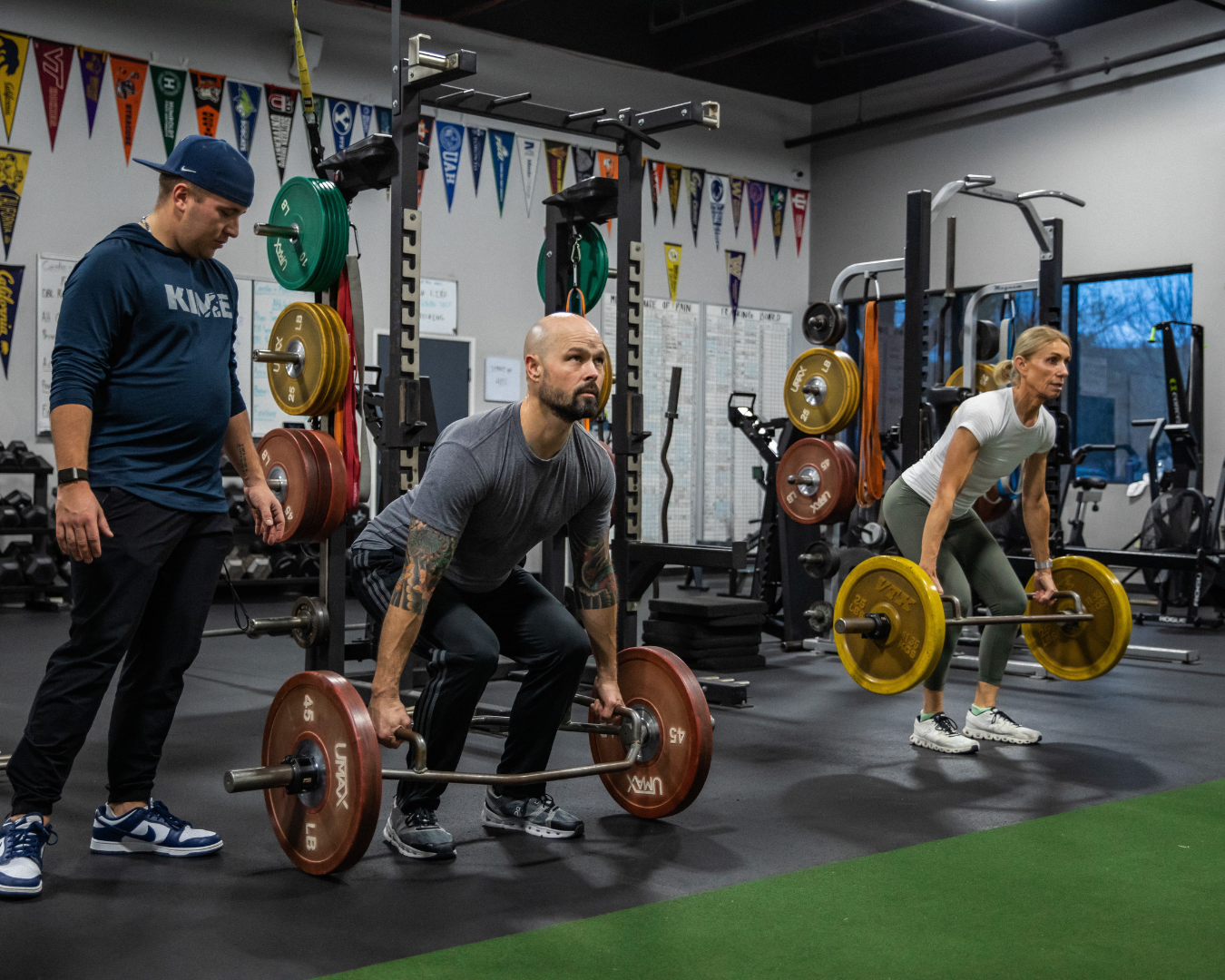
Starting around 50, the body slowly gives muscle back — unless you make a case for keeping it. Strength training is how you make that case, and it doesn’t require living in a gym: a modest amount each week, done with real effort, is enough to change the trajectory. The catch is the “real effort” part. Going through the motions doesn’t count. The work has to be genuinely challenging for your body to bother adapting — if you could easily keep going, it was a warm-up, not a workout.
Fuel matters too, and most people get this wrong by under-doing it. Protein is the one nutrient your body can’t manufacture from anything else, and most people eat far less than they need — a palm-sized piece of chicken is only about twenty-five grams. You don’t need exotic supplements; you need to actually hit a real protein target, with whole foods first and a shake to fill the gap when life gets busy.
Health is personal — so measure yours
Two people can eat the same meal and respond completely differently. That’s why the most useful health tools are the ones that show you your own body: a scan that reveals your muscle and internal fat, a fitness test that gives you your real training zones instead of a generic guess, even a glucose monitor that lets you watch how your body responds to specific foods. Once you can see your own numbers, the plan stops being someone else’s advice and starts being yours.
And if weight has been a long, frustrating fight, it’s worth hearing this plainly: struggling with it isn’t a character flaw. The body defends its weight with powerful hormonal signals, and plenty of disciplined, successful people find willpower alone isn’t enough. There are real medical tools that can help — used as part of a genuine plan, alongside the strength, movement, and nutrition that do the lasting work, not instead of them.
Where to start
You don’t have to do everything at once. Pick one pillar. Add a couple of real strength sessions a week, or aim a little higher on protein, or get a baseline measurement so you actually know where you stand. Small, consistent moves in the right direction compound — and the point isn’t to live forever. It’s to stay strong enough to enjoy the life you’re already living.