GET BACK TO YOU

our promise to you

To leave no stone unturned in the pursuit of better health. You will have a smooth process to see a well-trained and prepared provider to work with you every step of the way.

we listen to you

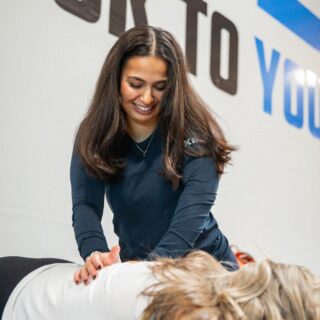
This seems obvious, but in healthcare, personal attention isn’t the norm. We’re not the norm. We structure time to understand you and understand your condition. Your journey of how you got here is critical to our ability to coach you to the next steps. All of your sessions will be one-on-one with the physical therapist, not passed to support staff.

WE apply science

Science has given us many fundamental rules of healing and movement. It’s common sense to apply these principles to your treatment plan. But, as we know, common sense is not so common. In our case, we can guide you to best practices in your recovery.

we measure

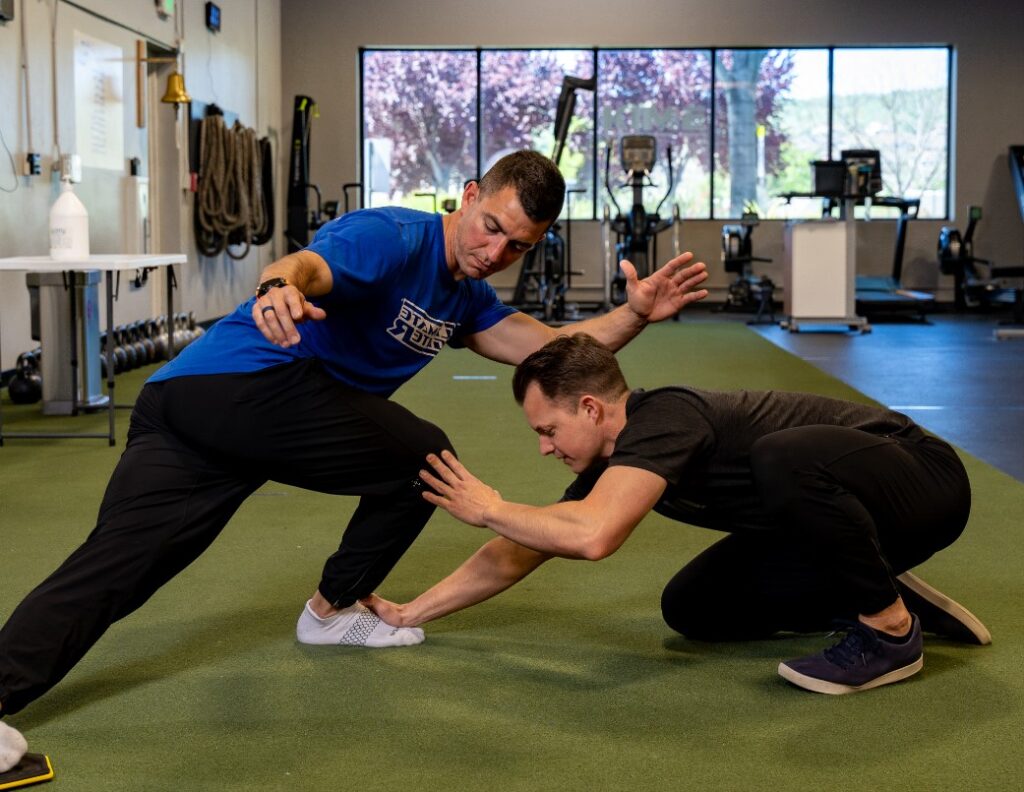
You can’t start down a path if you don’t know where you are. Let’s get a baseline and set goals to see progress. We use experience and cutting-edge technology to determine where to start and how to develop a path to success.

we deliver a plan

This is what you came for. You deserve to know what is going on in your body and what actions you can take to change it.

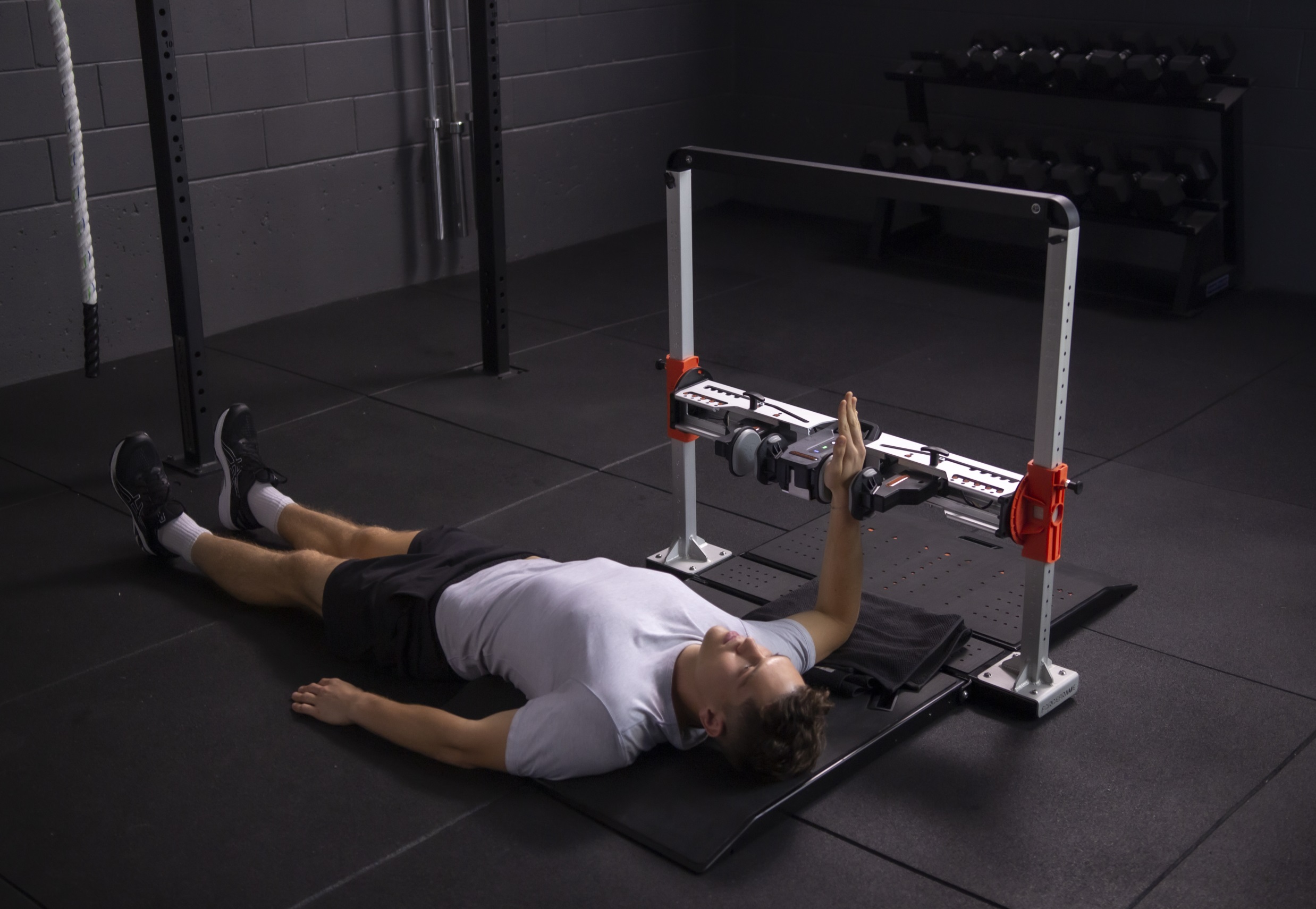
we measure

You can’t start down a path if you don’t know where you are. Let’s get a baseline and set goals to see progress. We use experience and cutting-edge technology to determine where to start and how to develop a path to success.

we deliver a plan

This is what you came for. You deserve to know what is going on in your body and what actions you can take to change it.
instagram feed

Performance is never built alone.

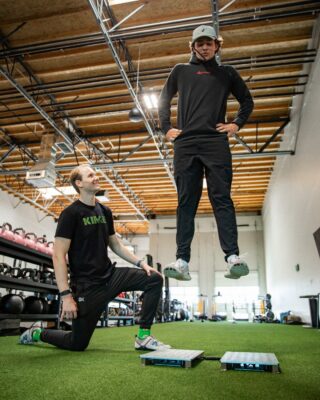
Recently, Cara had the opportunity to partner with the Petaluma Leghorns for team testing at Elite Fitness Co., providing athletes with objective insights into movement, performance, and physical readiness.

The testing is important.

But the partnership is even more important.

The Petaluma Leghorns are creating opportunities for young athletes to pursue baseball at the next level while developing the discipline, resilience, and character that last a lifetime.

At KIME, we believe the best outcomes happen when organizations work together—combining coaching, sports medicine, strength & conditioning, and community support to help athletes thrive.

We're grateful to play a role in that mission and excited for what lies ahead.

Because investing in athletes means investing in the future.
One of the challenges in rehabilitation is determining what deserves attention first.

Every patient arrives with a list of complaints, movement limitations, strength deficits, and functional goals. The temptation is to address everything at once.
The problem is that not every finding should carry equal weight.

In Episode 60 of KIMEcast, Russ shares a simple screening framework for identifying inflammatory pain:
• Are you experiencing pain at rest right now?
• How did you sleep last night?

Pain at rest is one sign.
Sleep disruption caused by pain is another.

When both are present, inflammation often becomes the primary limiting factor and should influence how the clinician approaches the case.

The framework isn't valuable because it's complicated.
It's valuable because it helps establish priorities.
Before we discuss strength, movement quality, or performance, we need to understand whether inflammation is still driving the presentation.

As Tony explains, the continuum is ultimately about identifying the factor that matters most right now. Once that barrier is addressed, the next priority often becomes much clearer.

Simple questions often produce the most useful clinical information.

🎙️ Episode 60 explores the Performance Continuum and the decision-making process behind effective rehabilitation from pain to performance.

#ClinicalReasoning #SportsPhysicalTherapy #SportsMedicine #PhysicalTherapy #KIME
"The biggest risk factor for reinjury is fatigue."

It's one of the simplest statements from Episode 60 of KIMEcast, yet it challenges one of the most common blind spots in rehabilitation.

When an athlete gets injured, it's natural to focus on the injured tissue. Clinicians work to restore range of motion, improve strength, reduce pain, and rebuild movement quality. Those are all essential pieces of recovery, but they are only part of the equation.

At some point, the conversation has to shift from the injury itself to the demands the athlete will eventually face.

Can they tolerate a full practice?

Can they repeat high-quality movement under fatigue?

Can they maintain force production, decision-making, and movement efficiency as the game progresses?

Because fatigue has a way of exposing what hasn't truly been restored.

An athlete may have less pain. They may move better. They may even perform well during testing in a controlled environment. But if they haven't rebuilt the fitness required to handle the demands of their sport, competition will often reveal the gaps that rehabilitation never addressed.

That's why fitness isn't separate from the return-to-sport process. It's one of the final stages of it.

The goal isn't simply to restore a body part. The goal is to restore the athlete's capacity to perform when the demands are highest.

🎙️ In Episode 60 of KIMEcast, Tony and Russ discuss the Performance Continuum and why fitness remains one of the most overlooked variables in successful return-to-sport outcomes.

#SportsPhysicalTherapy #ReturnToSport #SportsMedicine #PerformanceTraining #AthleteDevelopment #KIME
The best outcomes rarely come from one clinician working alone.

They come from teams that share standards, communicate consistently, and bring different expertise together around a common goal.

Return-to-sport isn't a handoff. It's a coordinated process. Physical therapists, performance coaches, strength and conditioning specialists, and sports medicine professionals working together to help athletes return with confidence—not just cleared, but prepared.

A stronger team creates better conversations.
Better conversations create better decisions.
Better decisions create better outcomes.

The advantage of building within a system that values collaboration over silos is shared accountability, continuous learning, and a higher standard of care.

When talented professionals work toward the same standard, the impact extends far beyond a single clinician, coach, or discipline.

Because a bigger team doesn't just expand capability.

It expands reach.

It expands influence.

And ultimately, it allows us to impact more lives.

#KIMEPerformance #SportsMedicine #PhysicalTherapy #StrengthAndConditioning #ReturnToSport #SportsPerformance #HealthcareLeadership #ClinicalExcellence #SportsRehab #TeamCulture
join our mailing list

Add Your Heading Text Here

Skip to content