How a clear return-to-sport plan gets you back faster — and keeps you there.
Hearing ‘you can’t play yet’ is one of the hardest parts of an injury. It feels open-ended, and open-ended is frustrating. The better answer is never just no. It is ‘you can’t do that until you can do this.’
Ask for the plan on day one
A good clinician should be able to show you the road back from the start — the exercises you will master, in order, and what each one unlocks. When you know the path, the work makes sense, and you can measure your own progress.
Feeling good isn’t the same as being ready
Many athletes reach a point where everything feels great and they want to jump ahead — straight to a long run, or straight into full practice. Your body adapts in steps. Jumping too far, too fast is how setbacks happen. Step-by-step progressions have one cost: time and effort. And they build the durability you want anyway.
Your sport comes back in stages
Returning to sport isn’t one big day. It is a series of unlocked skills — controlled drills before live play, technique before full speed, intervals before distance. Each stage is a checkpoint you earn.
Trust is part of readiness
Sometimes testing says your body is ready and your mind isn’t there yet. That is normal. It is a sign to keep practicing the movements that scare you until confidence matches capacity — not a pep talk, but real reps.
Show your clinician how you compete
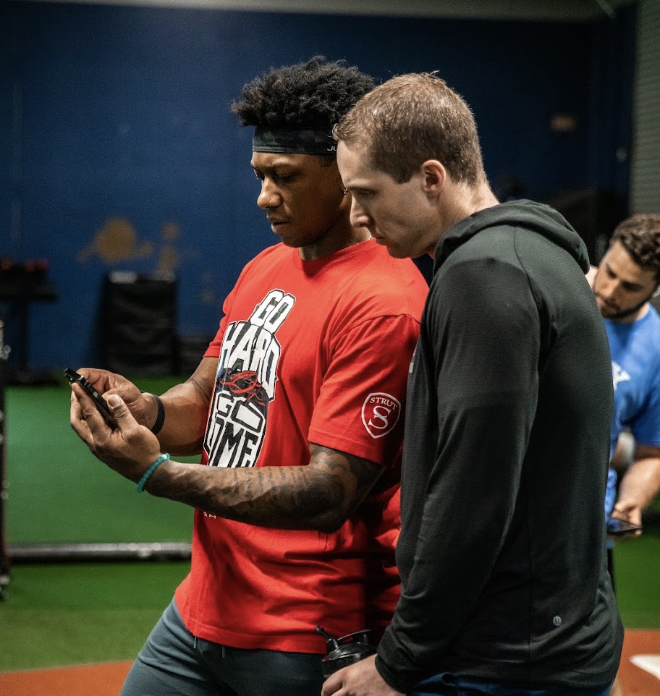
Bring video of yourself playing, especially when you are tired. How you move in competition can reveal what’s really driving your pain — sometimes far from where it hurts.
Not too slow, not too fast
Good rehab finds the middle path. Too slow and you lose belief; too fast and you get hurt again. If you want to push, push — and expect an answer backed by a plan, not ‘I just don’t think you’re ready.’
These ideas are explored further on KIMEcast Episode 71, the KIME Performance podcast.